ActZero · Phase 2 of 3 — Architecture
With a public brand and marketing site in market (Phase 1), the next constraint was legibility — customers needed to see what the MDR service was doing on their behalf. There was no product spec. The portal architecture had to be extracted from analyst knowledge before engineering could build.
Context
ActZero was operating a live MDR service — 24/7 threat detection and response for SMB and mid-market companies without in-house security teams — while building its first customer portal. The portal needed to surface monitored events, escalated incidents, reporting, and the ongoing work of ActZero’s analyst team.
The service was still being formalized as a product. Analysts held the operational knowledge: what customers asked about, what confused them, what the service produced but never surfaced. There was no documentation to design from. The interface had to be extracted from the people running the service, on a timeline compressed by the parallel stealth exit already underway.
Insight
Analysts held authoritative knowledge but had never been asked to externalize it — traditional research timelines would miss the launch window entirely.
Hypothesis
Same-session extraction and prioritization would produce build-ready requirements without a separate synthesis phase.
Decision
Ran journey-stage workshops before any UI design — P0 requirements emerged from repeated customer anxieties, not stakeholder opinion.
The Service Blueprint Workshops
The method was a hybrid format — part research synthesis, part roadmap prioritization — run with MDR analysts, product, and GTM together. The goal wasn’t traditional research deliverables. It was to extract operational knowledge, surface customer patterns from service delivery, and translate both directly into product requirements.
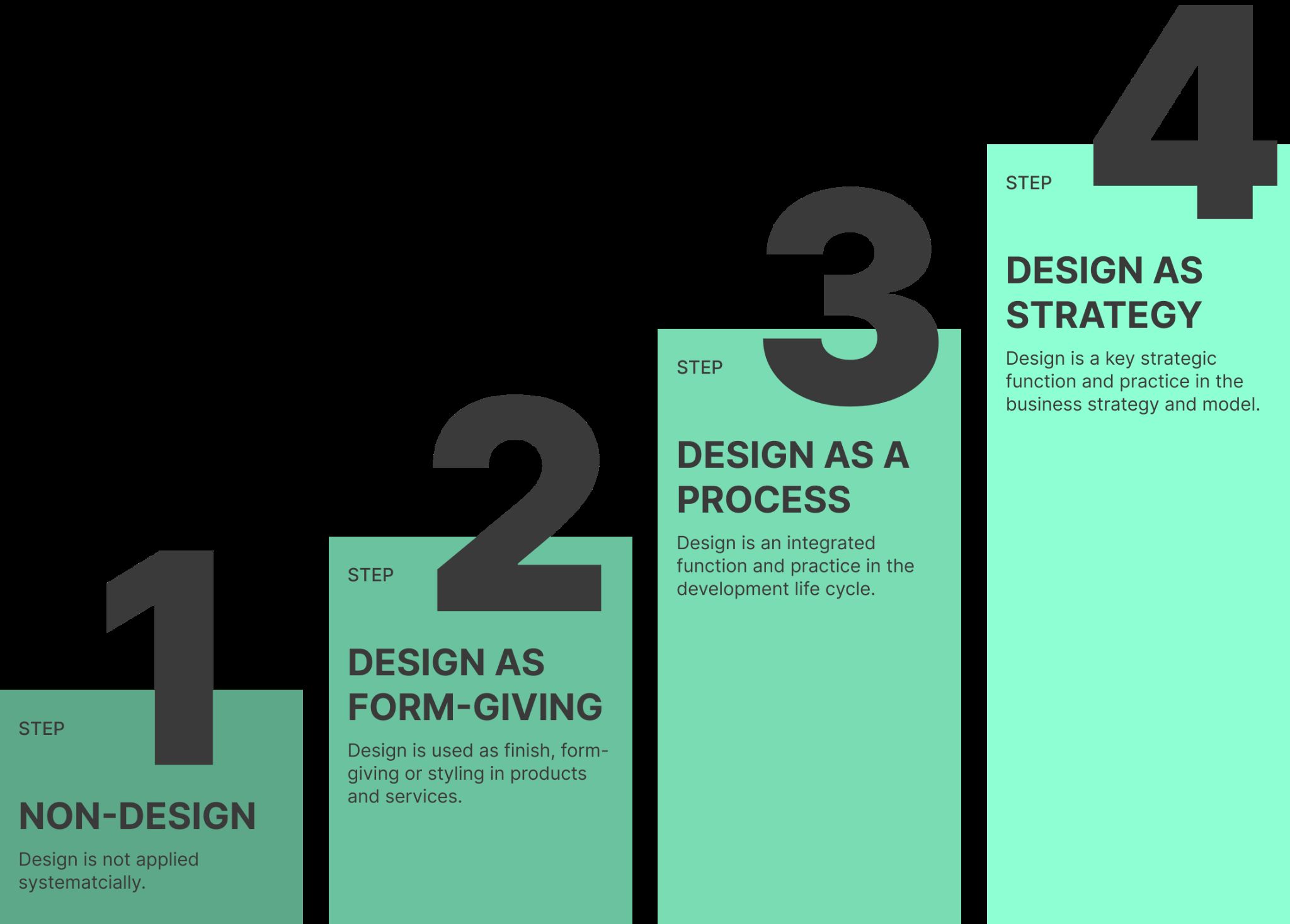
Sessions were structured around customer journey stages: first login, first incident escalation, first reporting cycle, first renewal conversation. For each stage, we mapped what analysts knew, what customers experienced, and what the portal needed to make visible. If analysts mentioned the same anxiety three times across two sessions, it became a P0 requirement.
The Portal Blueprint
The workshops produced a complete information architecture before engineering began — a sitemap and user flow hybrid documenting every section, navigation path, content requirement, and MVP boundary.
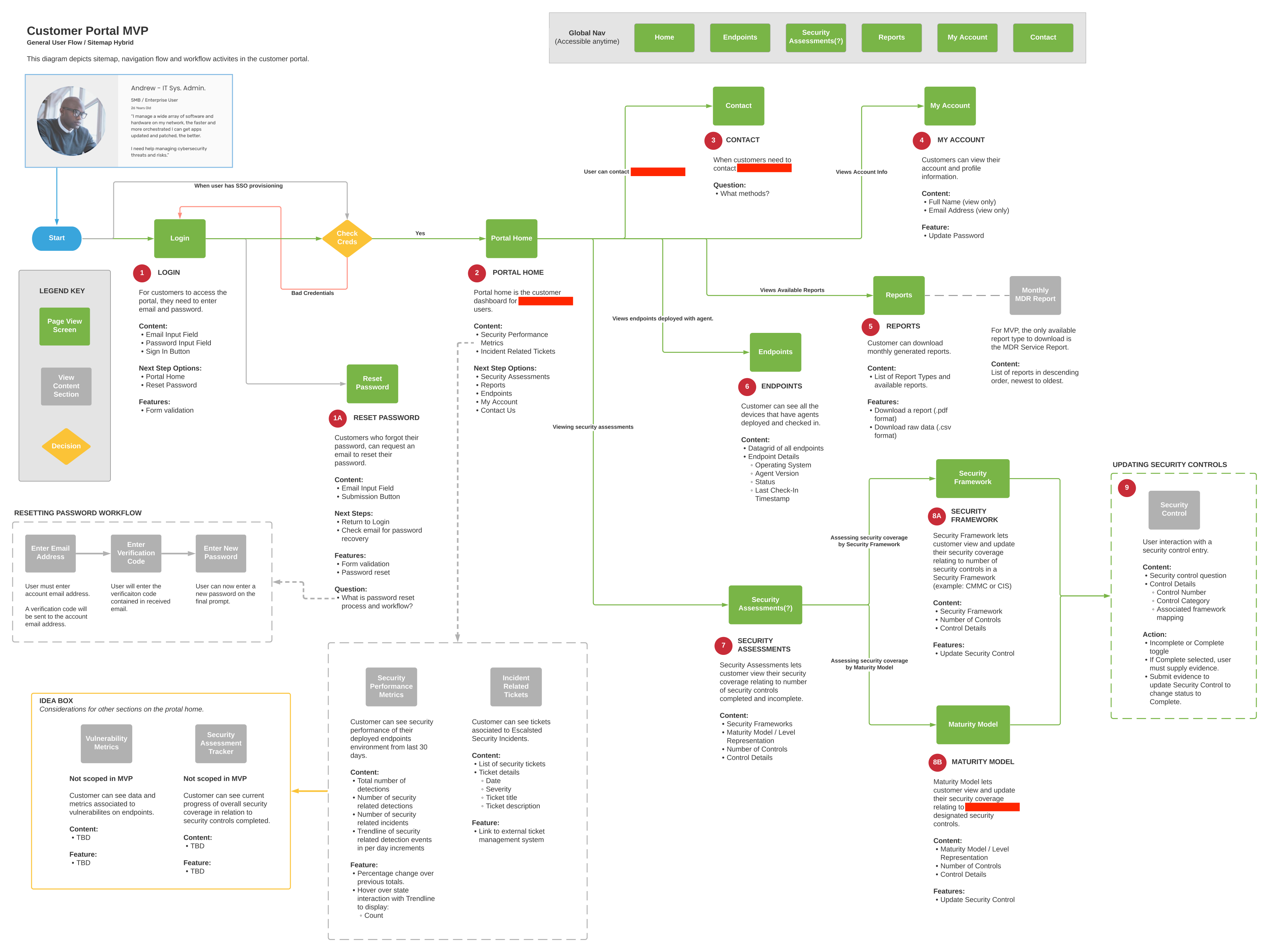
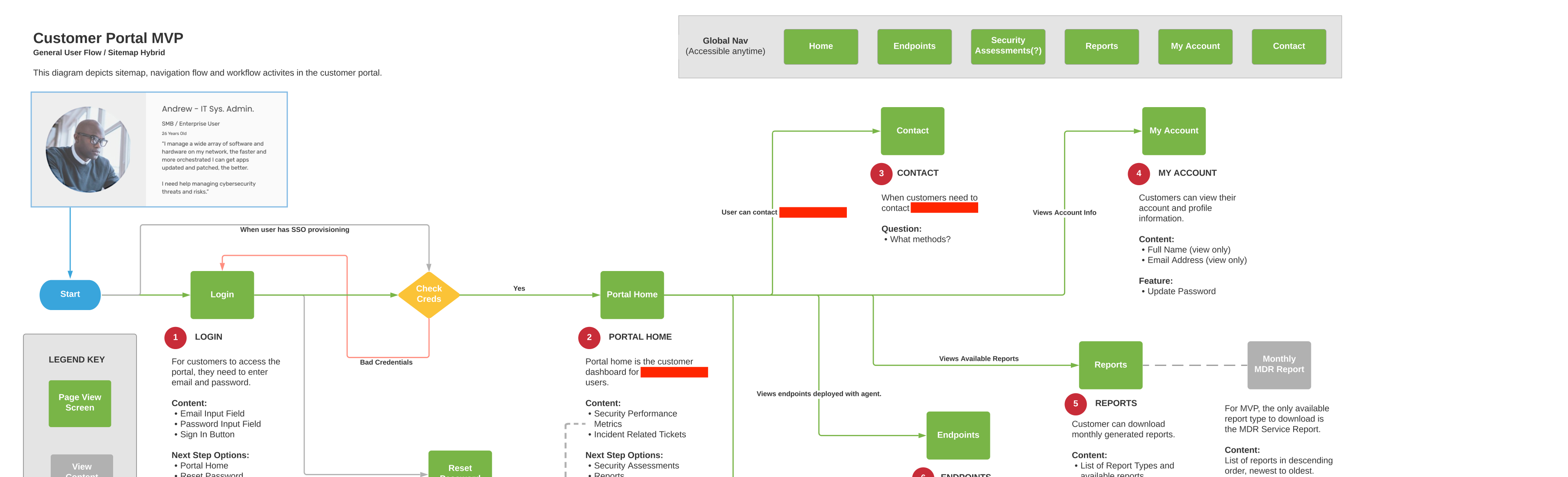
Six navigation sections came from workshop output: Home, Endpoints, Security Assessments, Reports, My Account, and Contact. Authentication flows — SSO provisioning, four-step password reset — were specified alongside feature flows.
Scoping decisions are visible in the document itself: vulnerability tracking and a Security Assessment summary widget on Portal Home were flagged out of MVP scope in an Idea Box. Designing the boundary as deliberately as the features is what made nine weeks achievable — engineering had a definitive in-scope list, not an open-ended brief.
Security Assessments carried a question mark in the IA — still being validated for MVP. It shipped. The two-path architecture underneath became the structure in Security Posture Assessments.
Portal Design and Ship
The portal served three audiences: the SMB owner or IT generalist who needed posture clarity without technical fluency, the CISO who needed evidence for board reporting, and the analyst team who needed to communicate escalations clearly.
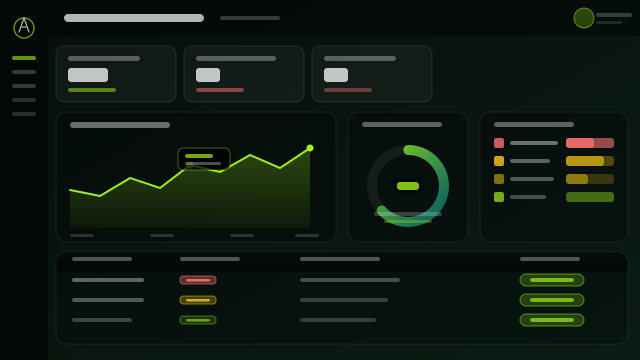
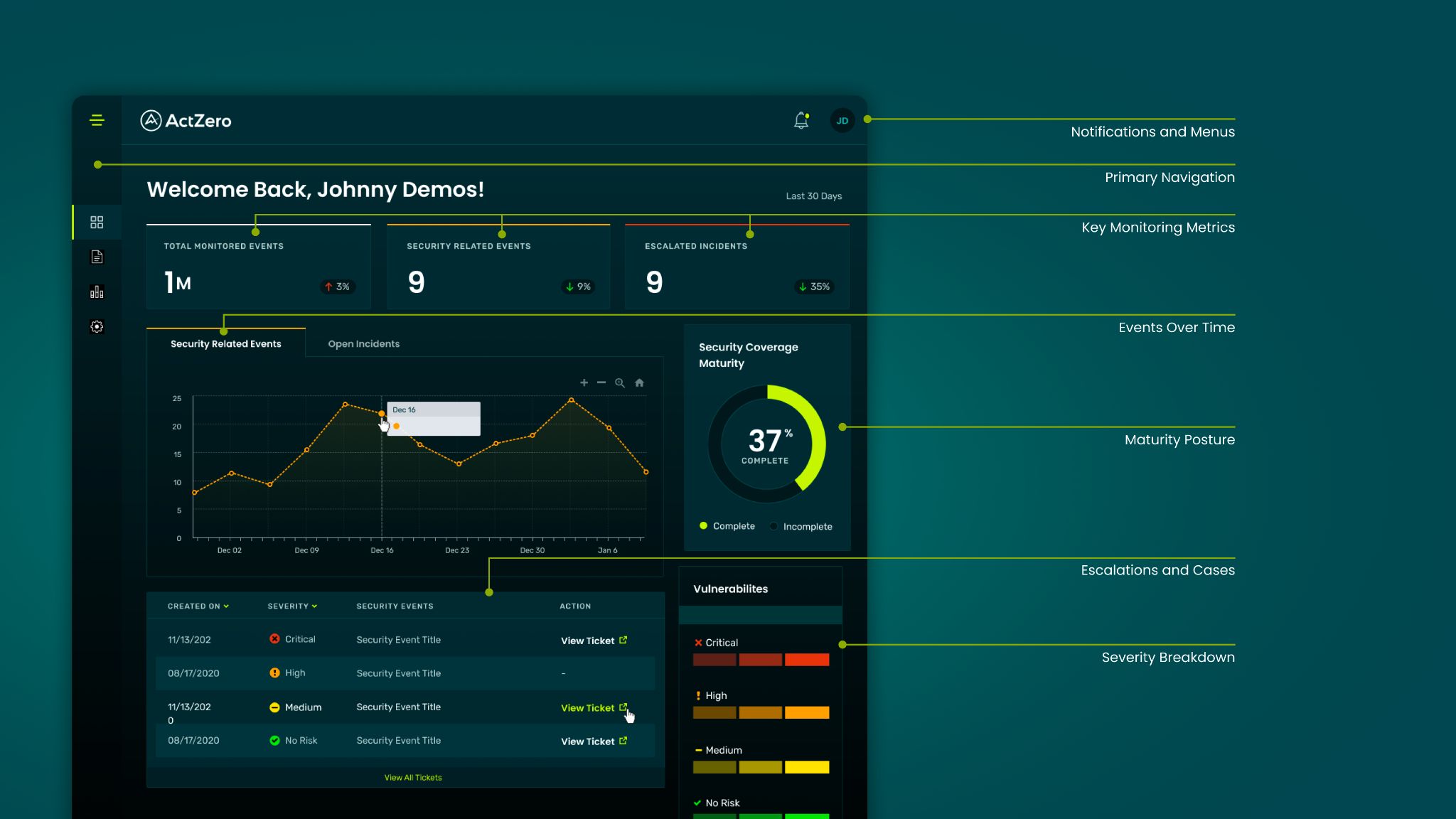
The dashboard reflected workshop findings directly: monitoring metrics at the top, a security coverage gauge, events over time, an escalations table, and a severity breakdown for executive reporting. Every element mapped to a specific customer question the workshop process had surfaced.
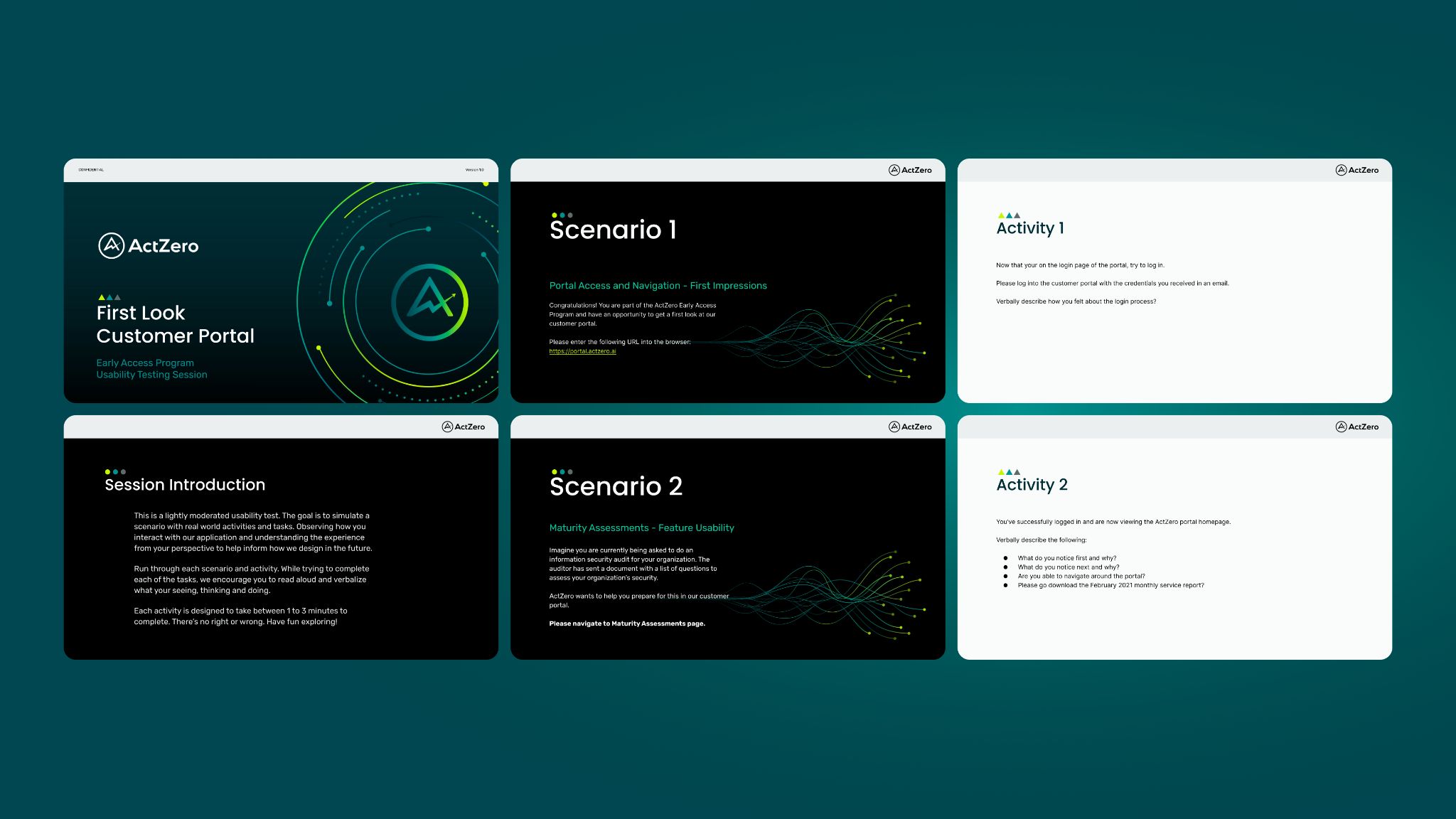
Before launch, we ran an early access usability program — moderated sessions through first login, navigation, report generation, and assessment flows. Findings fed the final pre-launch iteration.
Outcome
The portal shipped on a nine-week cadence. Cross-functional NPS landed at 64 — a strong signal the experience held together across customer, analyst, and product teams. Self-serve onboarding reduced analyst support load. Escalation visibility and executive reporting became daily workflow surfaces for customers who had previously relied on email and ad hoc reports.
The workshop model itself became a deliverable — a repeatable mechanism for keeping the roadmap grounded in what the service was actually delivering.
The Security Assessments feature — scoped in the portal IA, designed and shipped as the evidence layer for renewal conversations — is covered in Security Posture Assessments.